


Teacher: Henry Greenwood
Meet the teacher

Henry Greenwood
During his time as a secondary school Maths teacher and Teach First UK fellow, Henry developed the role of Sustainability Coordinator at his school, and was the first to fill this role. Building off this experience, he set up the Green Schools Project in 2015. Since then, the organisation has worked with over 240 schools in the UK, supporting pupils to run environmental projects, and delivering teacher training on climate education. Henry now oversees the Zero Carbon Schools programme, for which he won the London Schools Changemaker of the Year award in 2022, and runs in schools around the UK.
Usefull links related to the Solution
Circle Meeting
Solution Website
Tools
Impact Report 2020 - 21
Impact Report 2021 - 22
Overview
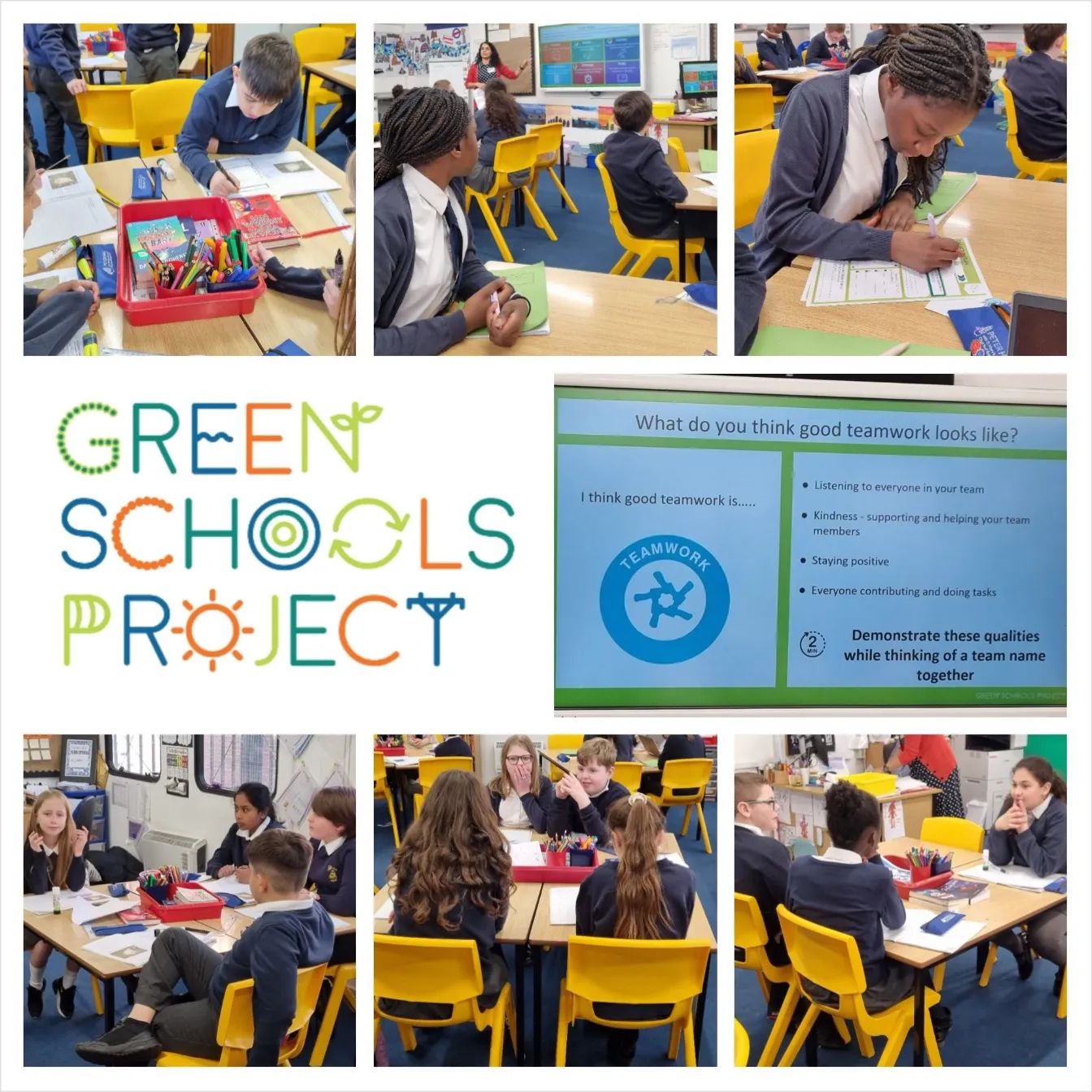
Henry developed the Zero Carbon Schools programme to enable schools to calculate their carbon footprint and design individual plans to reduce their footprints. A multi-layered approach is used to empower different members of the community to take action to lower their carbon footprint. Students lead projects to lower carbon emissions, teachers receive training which enables them to incorporate climate and nature education into their lessons, and guidance is provided to help schools involve parents and the local community to encourage more sustainable living.
Theory of Change
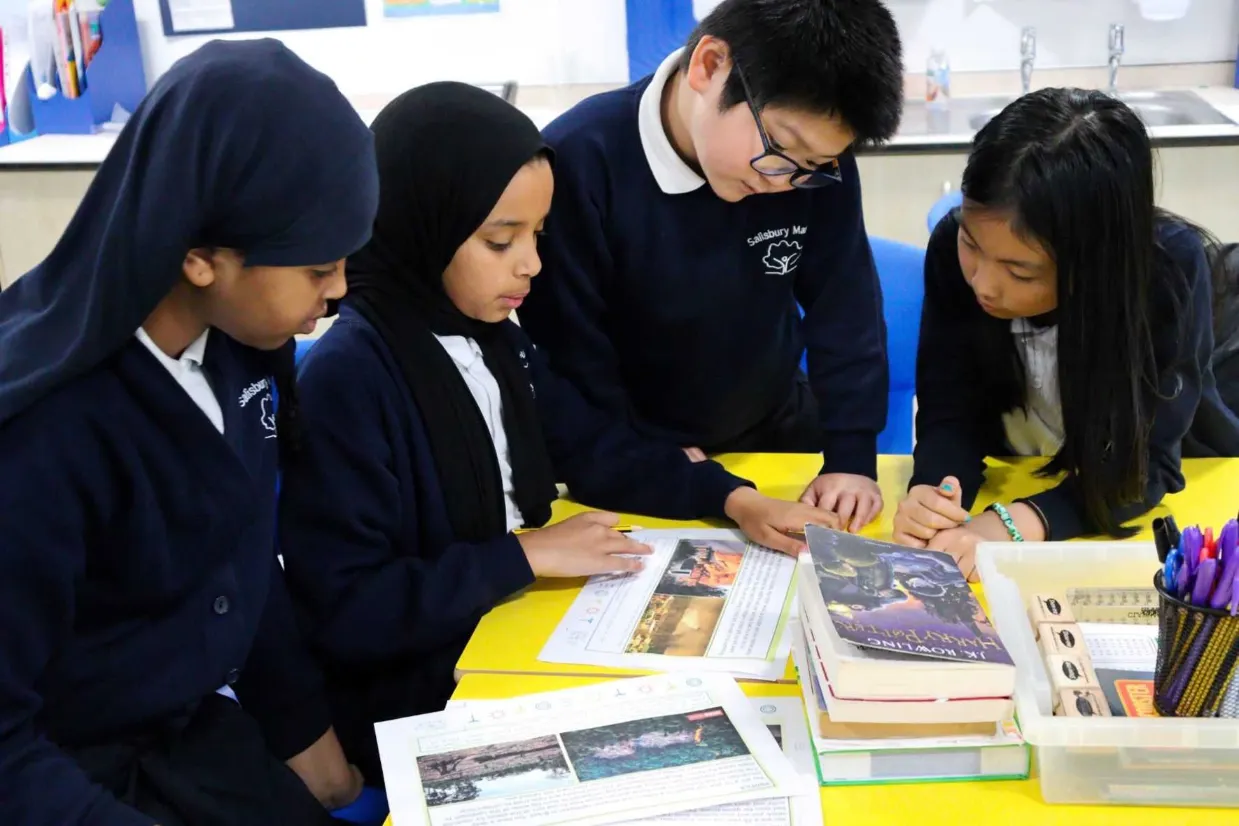
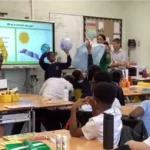
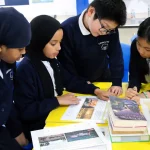
The vast majority of children in the UK attend primary and secondary schools. Many schools set poor examples of climate change awareness and sustainable practices. The Zero Carbon Schools programme is challenging this by enabling schools to put in place student-led sustainable practices. Through this process, schools reduce their carbon footprint; and students gain knowledge and an understanding of climate change, thereby becoming empowered to make more informed decisions that lead to positive climate effects. Through taking part in practical activities and decision making related to their school and local community, students become action-oriented towards climate change issues and develop the skills and values needed to bring about change in their schools, local communities, and throughout their lives.
Approach and Actions
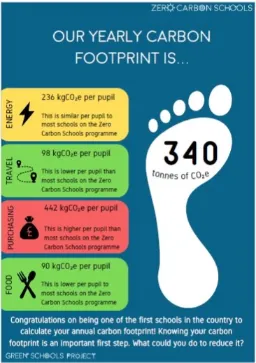
Zero Carbon Schools is a cross-curricular programme which can be taught to children aged 8-13. Session plans and activities are provided to schools along with bimonthly online support sessions for school coordinators. In addition, schools receive materials for two continuing professional development sessions for staff. Through measuring the carbon footprint of a school, a baseline is achieved and the success of actions taken can be measured against this baseline. This can have an effect on climate change but, more importantly, increases children’s sense of empowerment, turning feelings of eco-anxiety that the children and young people might have into solutions-oriented agency. Giving students the chance to share their work with parents further helps to disseminate and empower the local community to take action.
Impact
A pilot scheme of the programme was carried out in four London schools in 2020-21, and the number of participating schools has since grown to over 80 around the UK. Findings from monitoring and evaluation activities showed that after taking part in the programme teachers had more practical ideas about how to include climate and nature in lessons; and students developed knowledge, skills, and values needed to successfully tackle the climate and nature crisis; and, as result, students took more action to tackle climate change, which encouraged the wider school community to follow suit. Quotes from participating teachers and students can be found in the impact reports linked below.