


Teacher: Natalia Herrera Agudelo
Meet the teacher
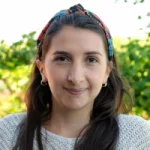
Natalia Herrera Agudelo
Natalia has more than 10 years experience in education, she has worked as a teacher of adolescents between 11 and 18 years old and as a teacher trainer in Colombia and Spain. Natalia was selected to take on the Teach For All teacher leadership program and since 2017 she has promoted different educational projects that allow eco-social regeneration. Her latest project, Tierra Maestra, emerged from her passion for holistic education, her love for nature and her interest in reconnecting and healing the relationship between Europe and Latin America. Natalia has also worked as an industrial engineer, and has a Master’s degree in Teacher Training and a Master’s degree in Eco-Social Regeneration.
Usefull links related to the Solution
Youtube
Quantitative Impact Measurement Tool
El link a la Global Ecovillage Network
The Permaculture web
Instagram
2022 Report (Spanish)
Overview
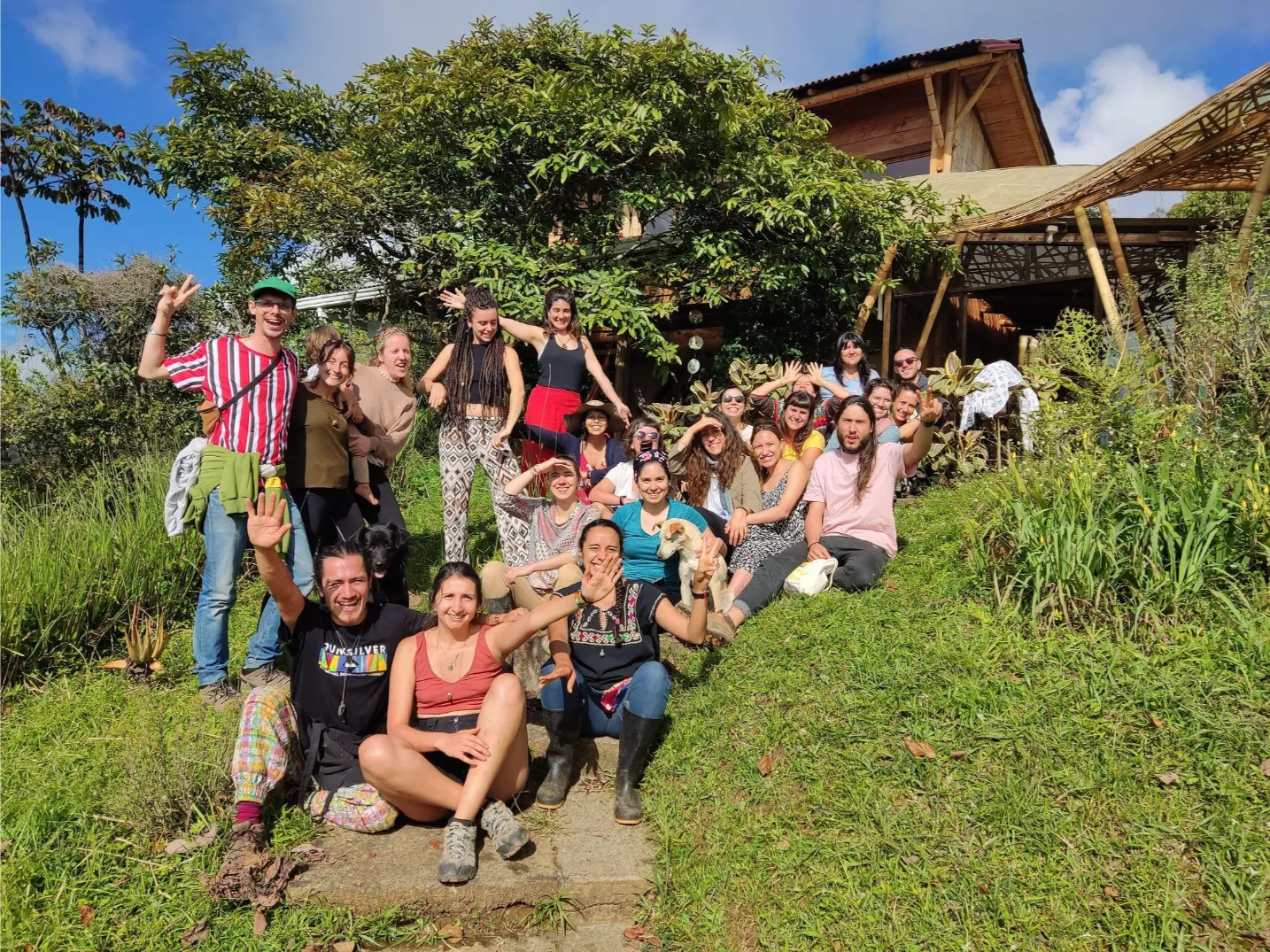
Natalia, and the team running Tierra Maestra, invite everyone involved in education to understand the root causes of the planetary crisis. The team invites everyone to interrogate the idea and history of human-centred society through experiential learning in nature, leading to reactivating people’s ability to live in balance with other species.
Theory of Change
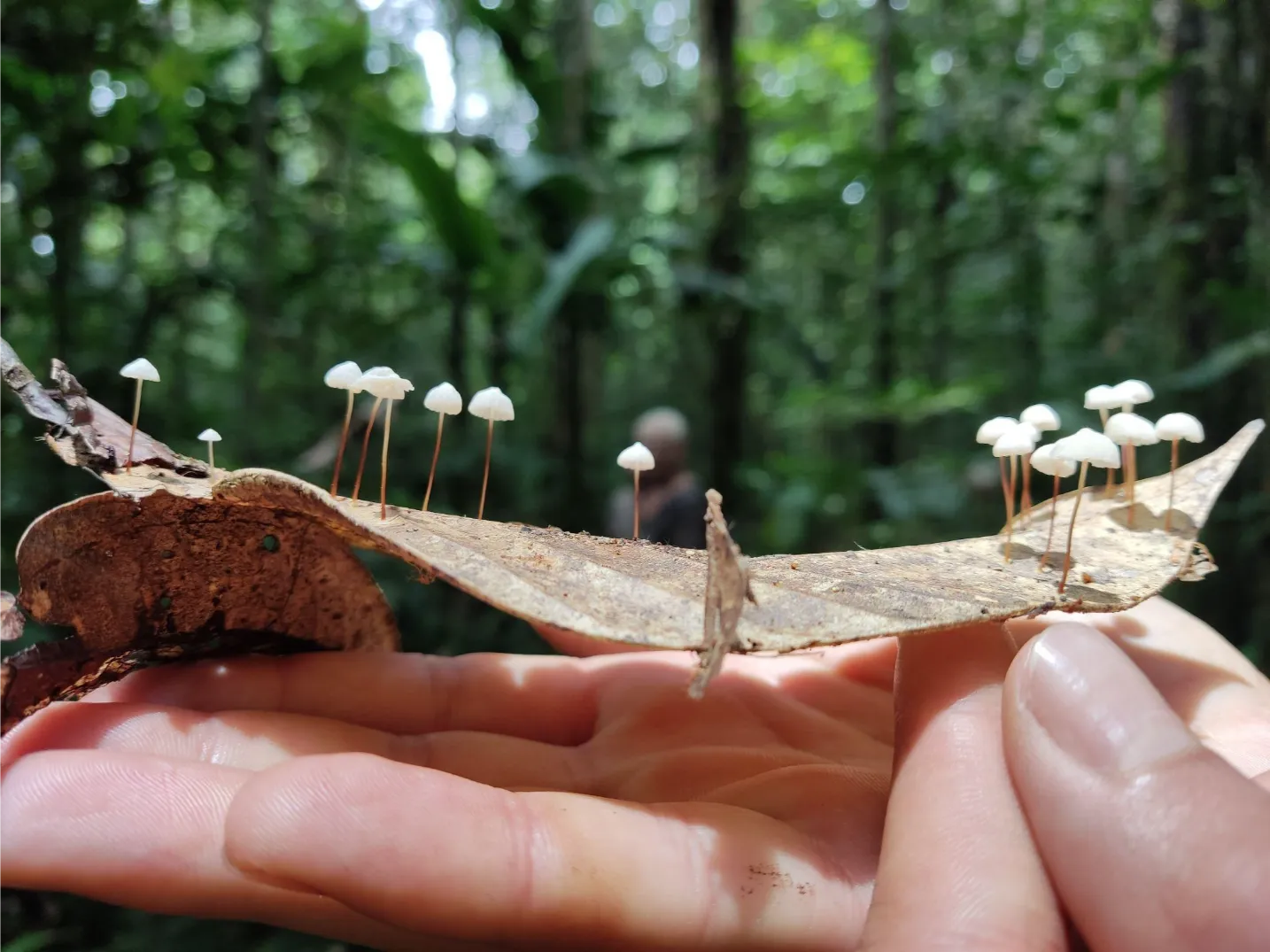
Natalia, and her fellow educators working on the project, recognise that human-centric thinking dominates around the world and wish to disrupt this. Since the industrial revolution, there has been a cycle of rational thinking leading to increases in industrial outputs which have in turn led to an imbalance in the six kingdoms of nature (Eubacteria, Archae, Protista, Fungi, Plantae, and Animalia). The project aims to rebalance the relationship between the six kingdoms bringing in learning from spiritual and emotional sources and leading to halting the pursuit of industrial processes. This, they believe, will lead to recognition of the value of all species and their interdependence, particularly across the north-south divide.
Approach and Actions
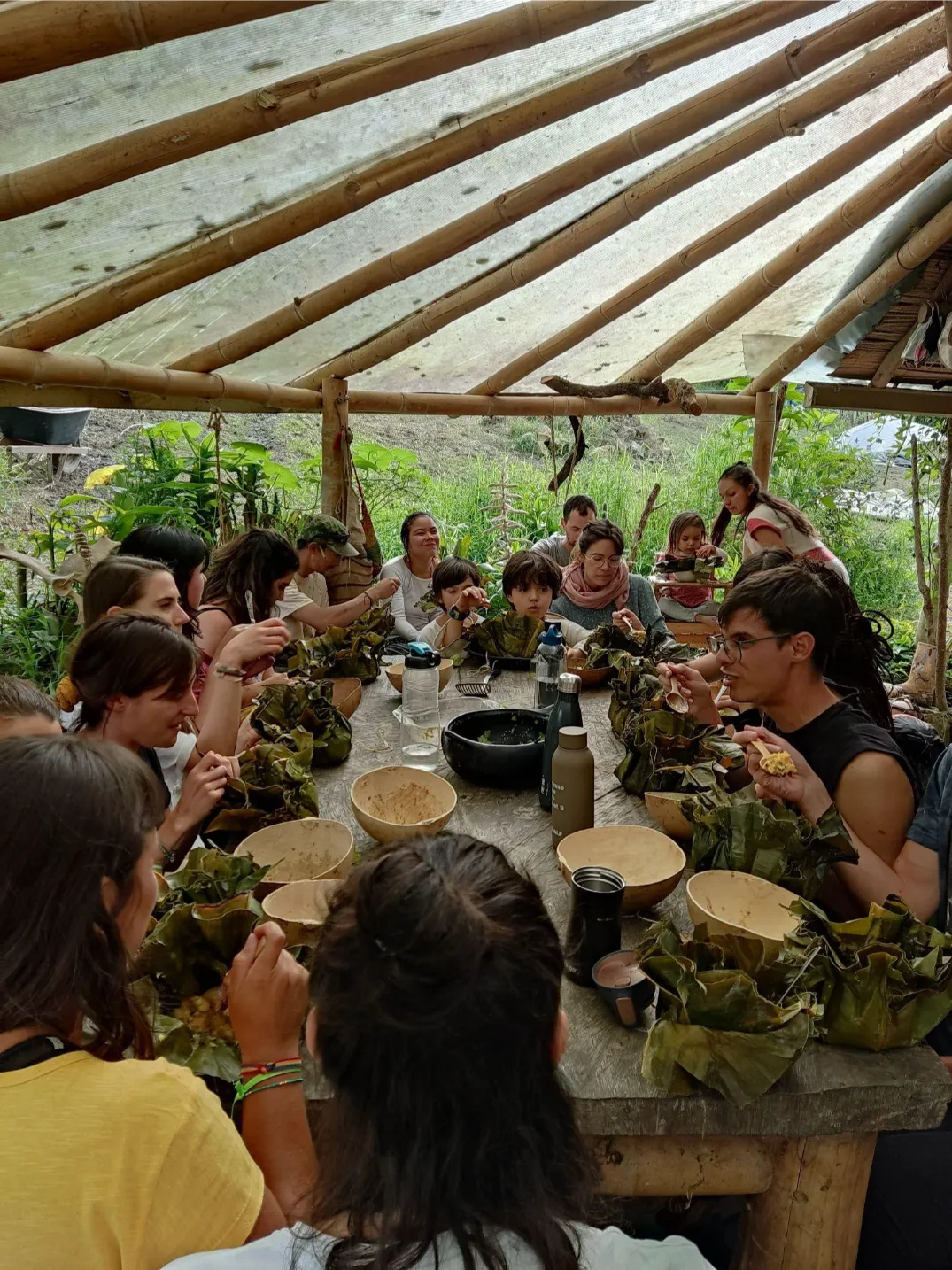
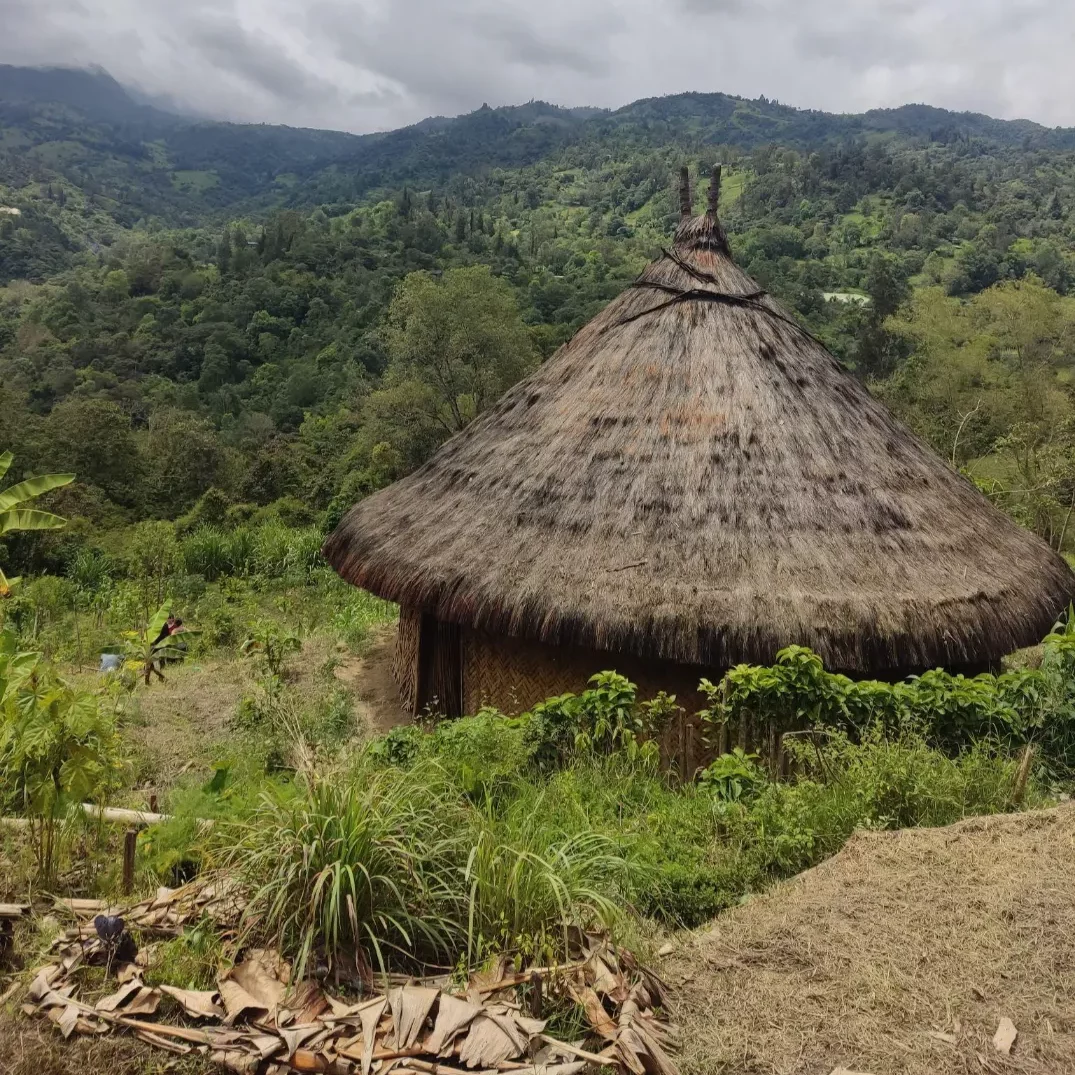
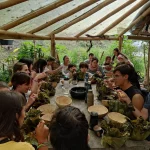
The approach used is underpinned by three theories- permaculture, holistic education pedagogies and experiential education. Activities focus on asking teachers to stop and take time to listen to the people who are taking care of nature – this could be indigenous communities, people living in eco villages, organic farmers etc- and most importantly they are invited to take part in experiences that enable the teachers to feel and experience activities that build a love and respect for nature. A curriculum based on the three theories was developed, this breaks down the holistic approach into six dimensions which are explored using various activities incorporating learning from indigenous communities, permaculture communities and ecovillage communities.
Impact
The curriculum incorporates a quantitative assessment of the six curriculum dimensions at the start and end of the project. The results show significant improvements in teachers’ understanding of all the dimensions of the curriculum. Qualitative results, based on one-hour interviews with each participant, showed personal, deep, spiritual learning of the teachers involved; the experience of being part of different ways of living led to a reactivation of the teachers’ ability to be creative in the face of the planetary crisis. The challenge the team has now identified is how to support teachers to integrate and apply experiential learning in their context after the learning experience has finished.