





Teacher: Lara Maschek
Meet the teacher

Lara Maschek
After her master’s degree in Biology, Lara started as a TeachFirst Fellow in 2022. Teach First Deutschland is part of the global TeachForAll network that advocates for equal opportunities and education. Lara provides support for students in a low-income area of Frankfurt, preparing students for their secondary school qualifications, which allow them to apply for apprenticeships. Lara is passionate about teaching in a playful way. She encourages her students to step outside their comfort zones every day. She personally committed to provide climate education when she realized how little was done in her school. So far, she has initiated and carried out the climate change and sustainability day, founded a teachers’ sustainability team in her school, and leads an extracurricular class on climate action. She successfully took part in an international Climate Education Championship Learning Series and was a participant in a program for excellent teachers at the Nobel Laureate Meeting in Lindau.
Usefull links related to the Solution
Tool
Overview
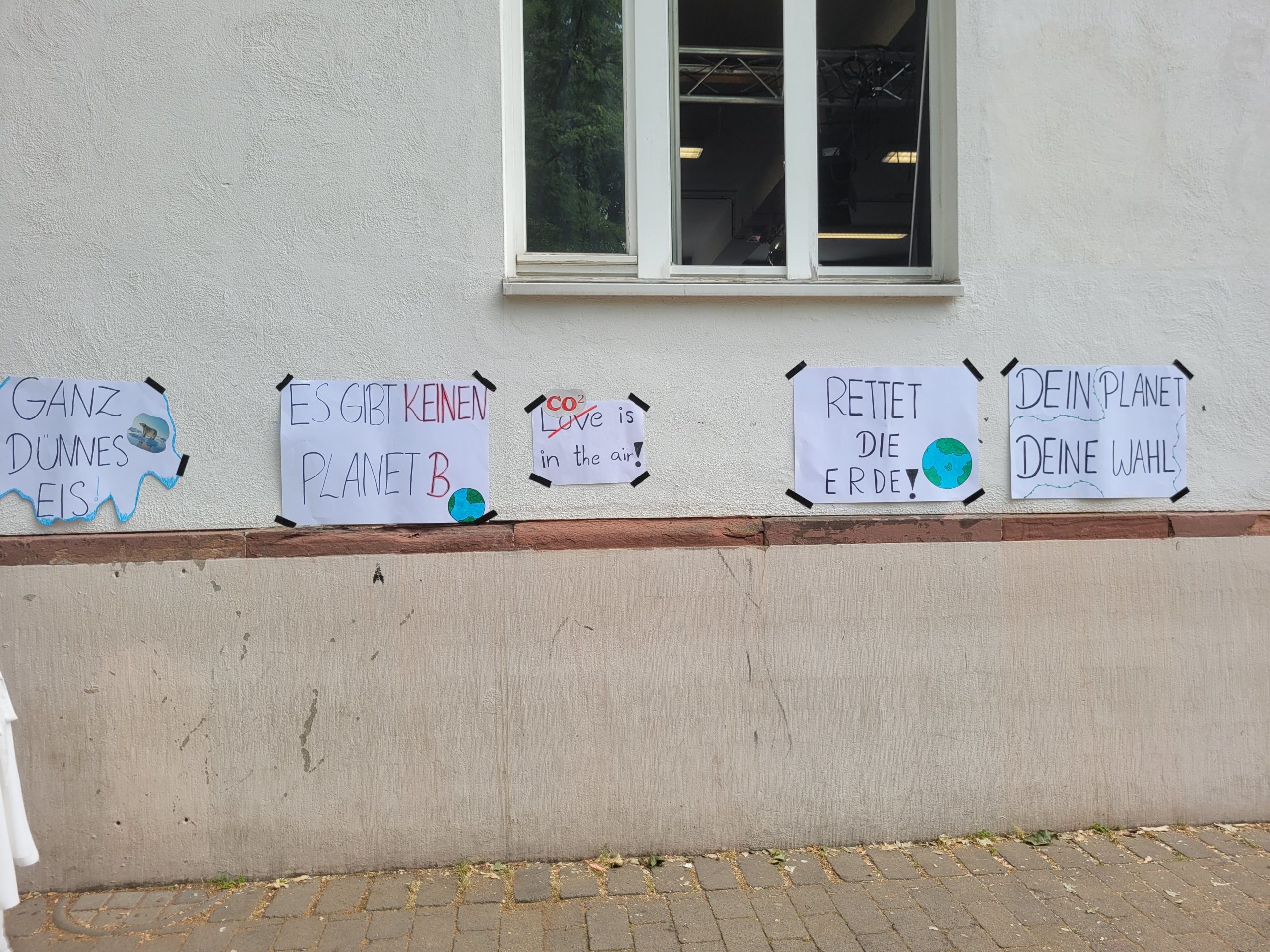
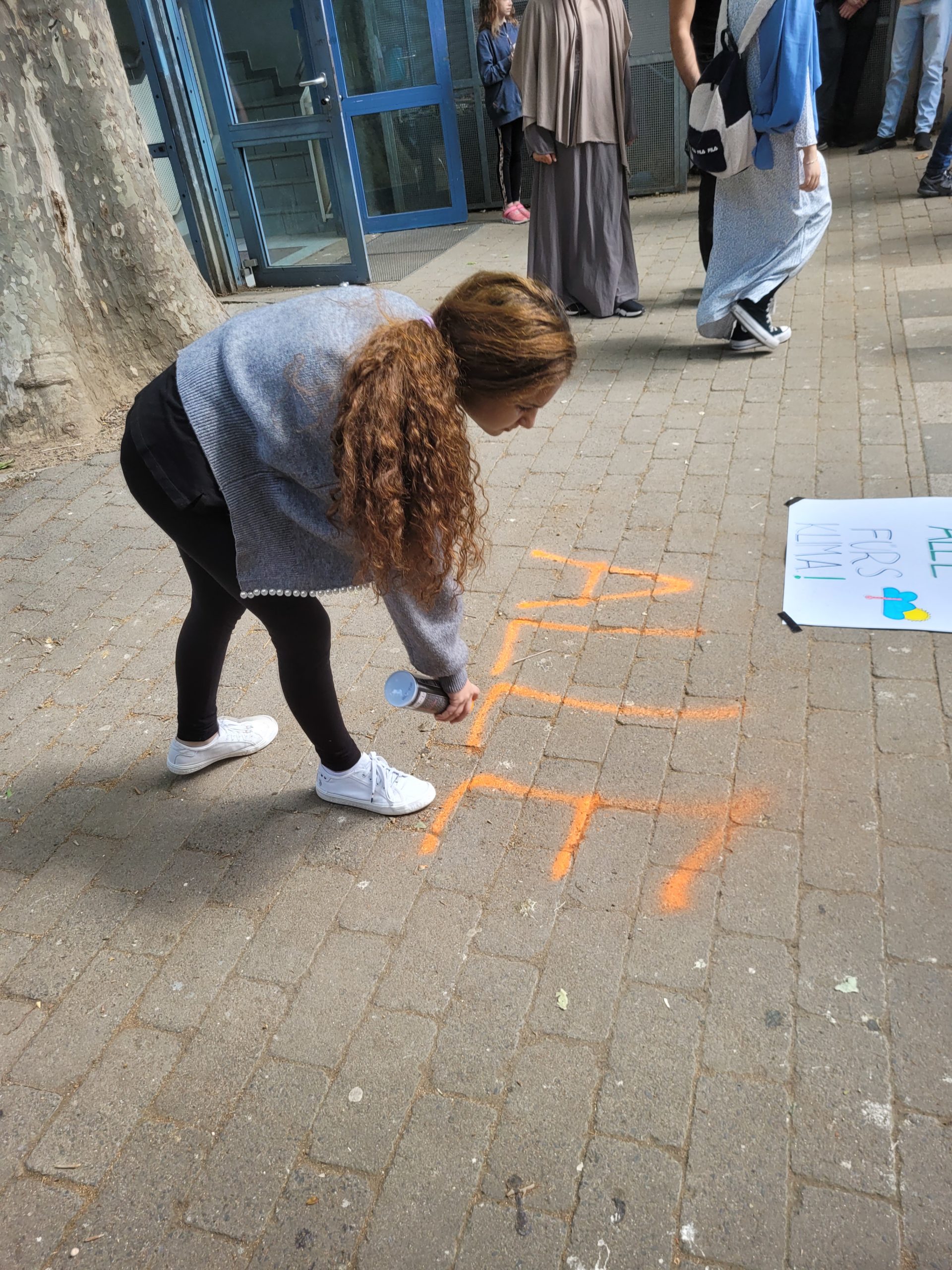
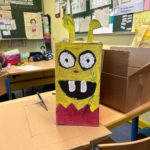
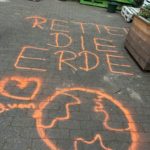
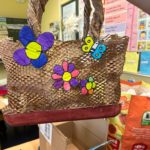
Climate change is an issue that affects and involves everyone. Still, climate education takes place mainly in higher education, and climate actions are undertaken by well-educated people. Lara, a teacher in a socially deprived area of Frankfurt decided to make a change and raise awareness of climate change and its consequences among her students. Lara planned and implemented a Sustainability Project Day consisting of engaging but hard-hitting activities that aimed to disprove the teenager’s views of sustainability being “boring” and “uncool” and showed easy, yet impactful ways to minimize one’s individual carbon footprint. Therefore, each school class chose a small project that they wanted to work on during the day. At the end of the day, their projects became an Exhibition of Climate Change which the whole school enjoyed visiting.
Theory of Change
Many teenagers, especially those from low-income backgrounds, often struggle with a diverse range of issues (e.g. financial problems, family situations, language barriers), meaning the climate crisis is sometimes not at the top of their priority list. This is especially true as the direct consequences of climate change cannot be easily grasped. However, low-income families in particular are and will be affected most by climate change. The project tries to overcome this gap in understanding by raising awareness in a fun and hands-on way. Students experience a day packed full of project work, collaboration, and solutions. The project day is impactful as it can lead to students implementing their solutions in their everyday lives, talking about them with friends and family, or making more thoughtful decisions in the future. This project day might also motivate other schools to follow suit.
Approach and Actions
Before the Sustainability Day, Lara and two of her colleagues compiled a list of possible mini-projects. This list spanned a wide range of climate issues, for each issue one to five projects were proposed. The list served as a guide and inspiration for the projects during the Sustainability Day. Every class choose a project they wanted to tackle that day. They were free to choose, with the only requirement that, at the end of the day, a ‘product’ needed to be made for the exhibition.
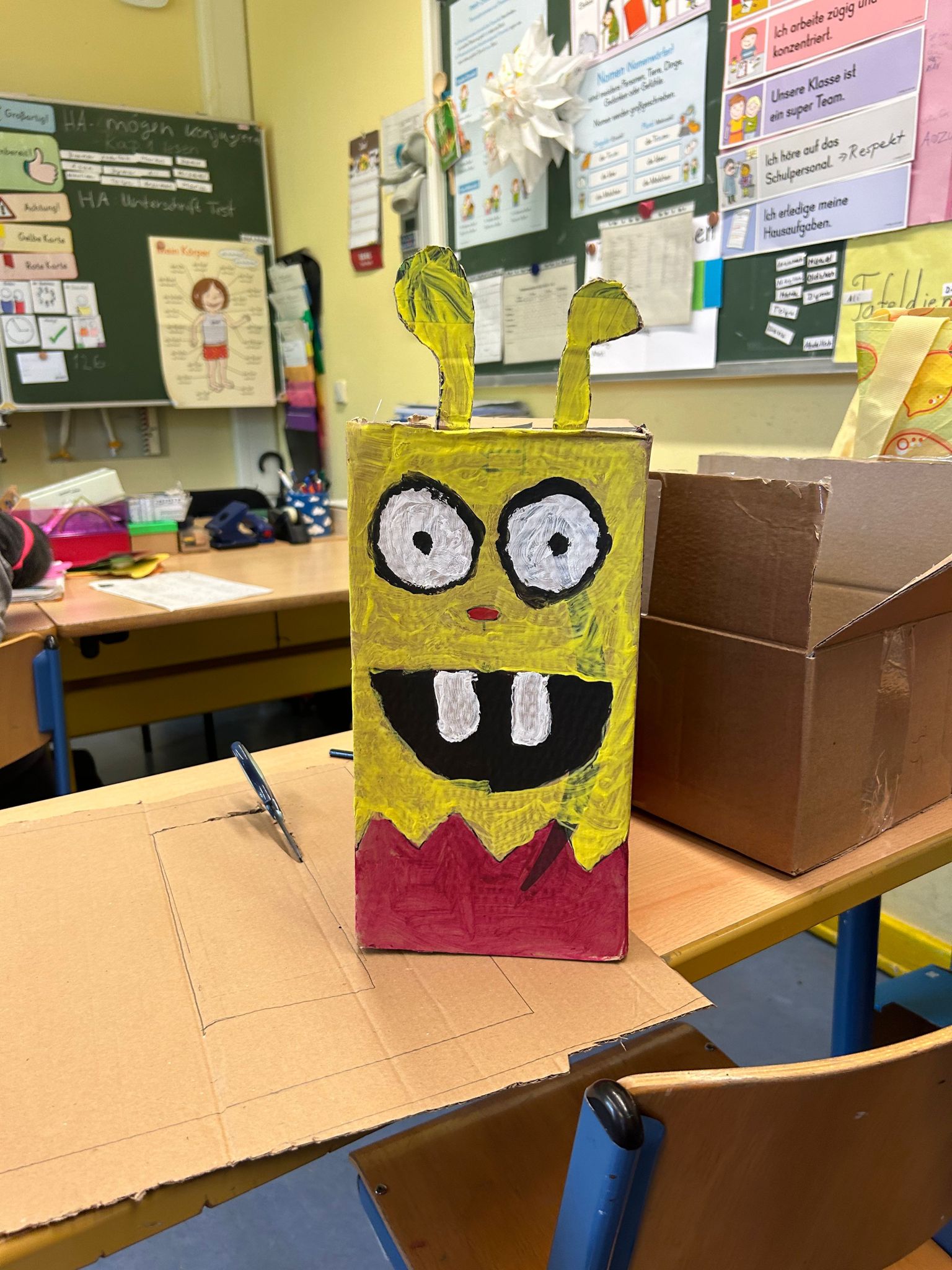
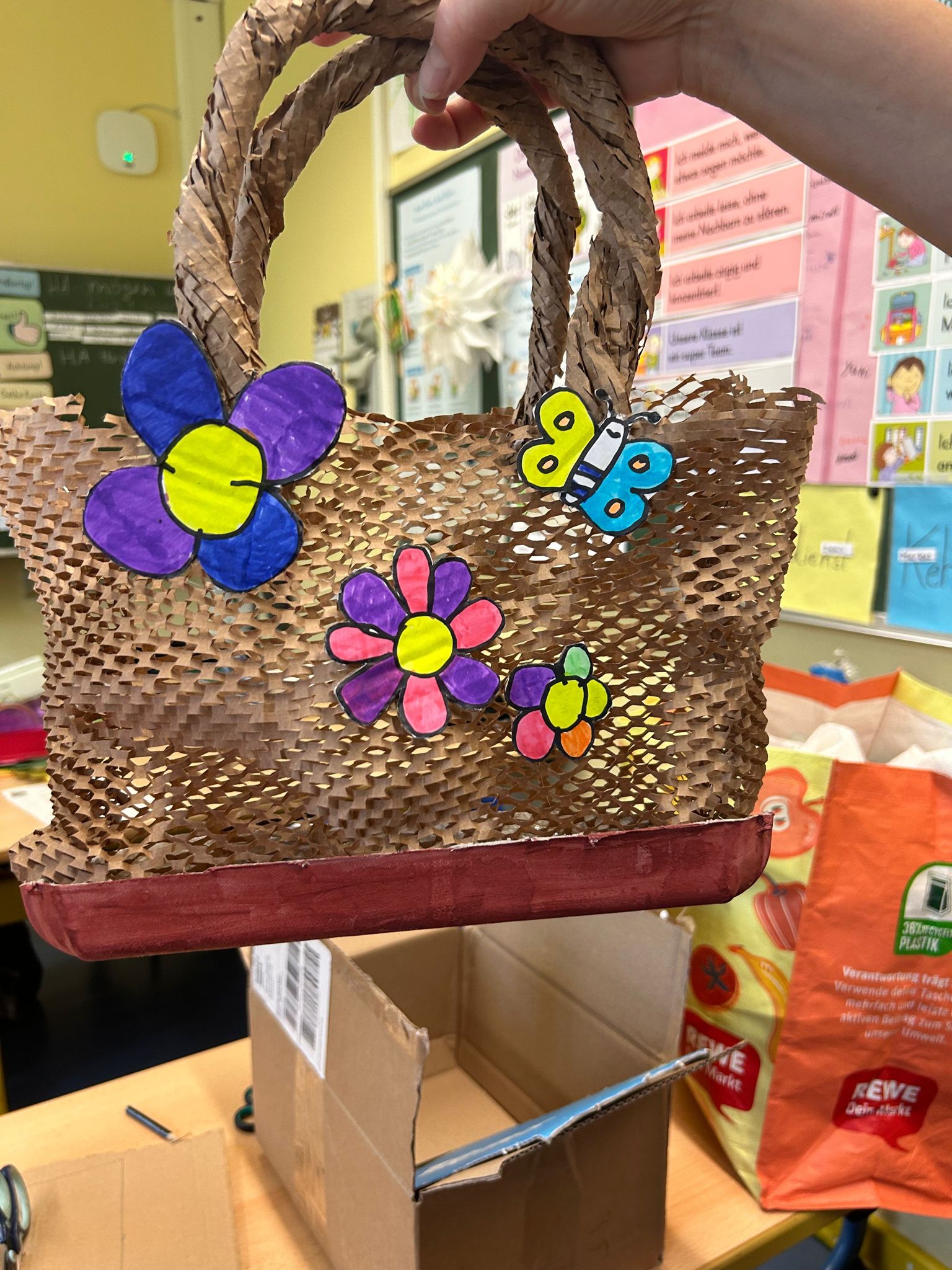
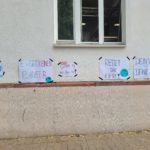
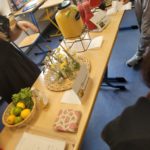
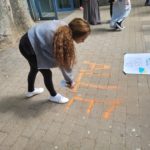
The Sustainability Day was organized in two parts. The first four hours of the day were solely spent working on their projects (with the guidance of two teachers for each class). The second part consisted of the exhibition, where the students could walk around the school learning about the other projects and presenting their own. Further, the fourth graders from a nearby elementary school were invited to view the projects.
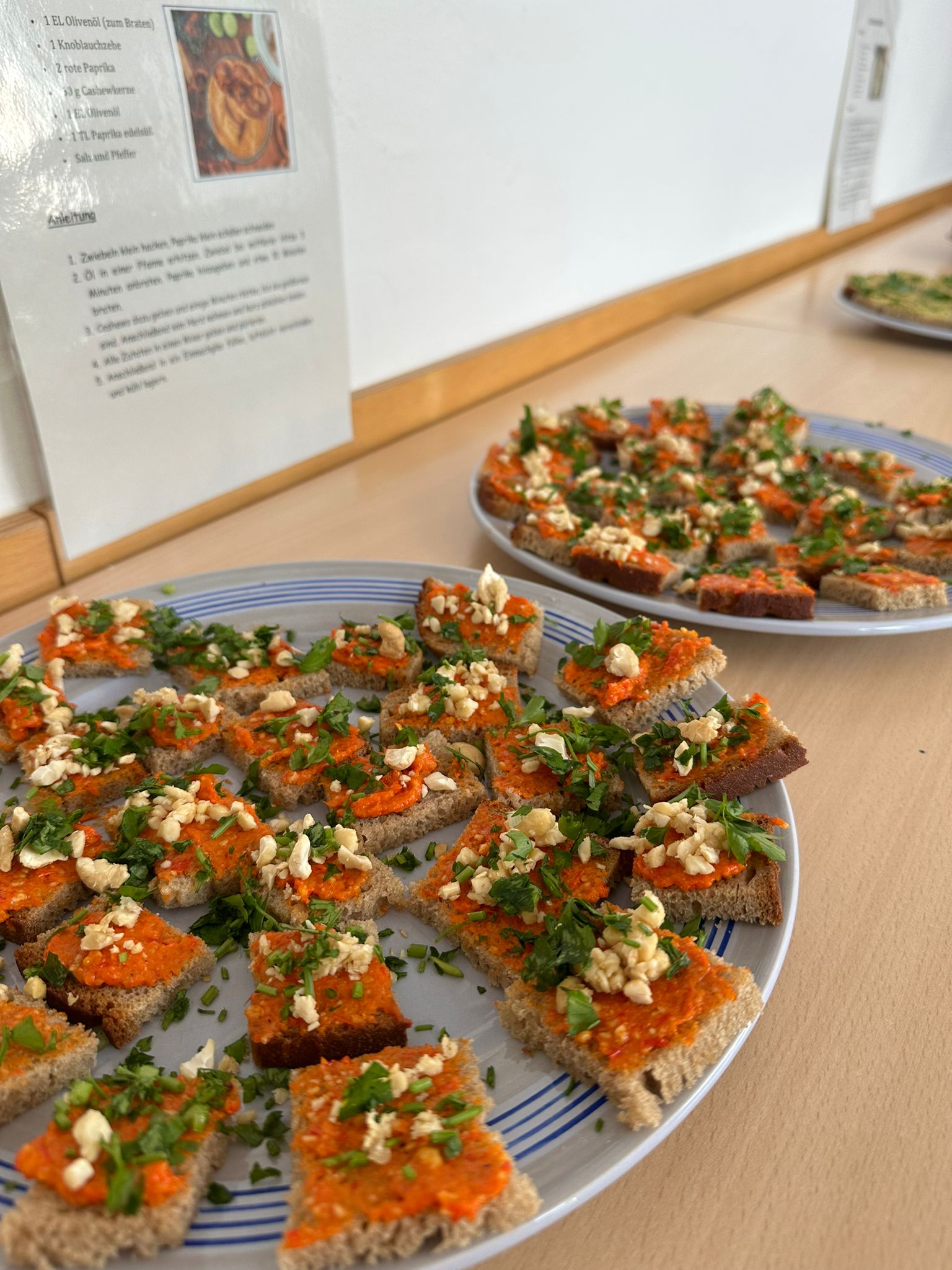
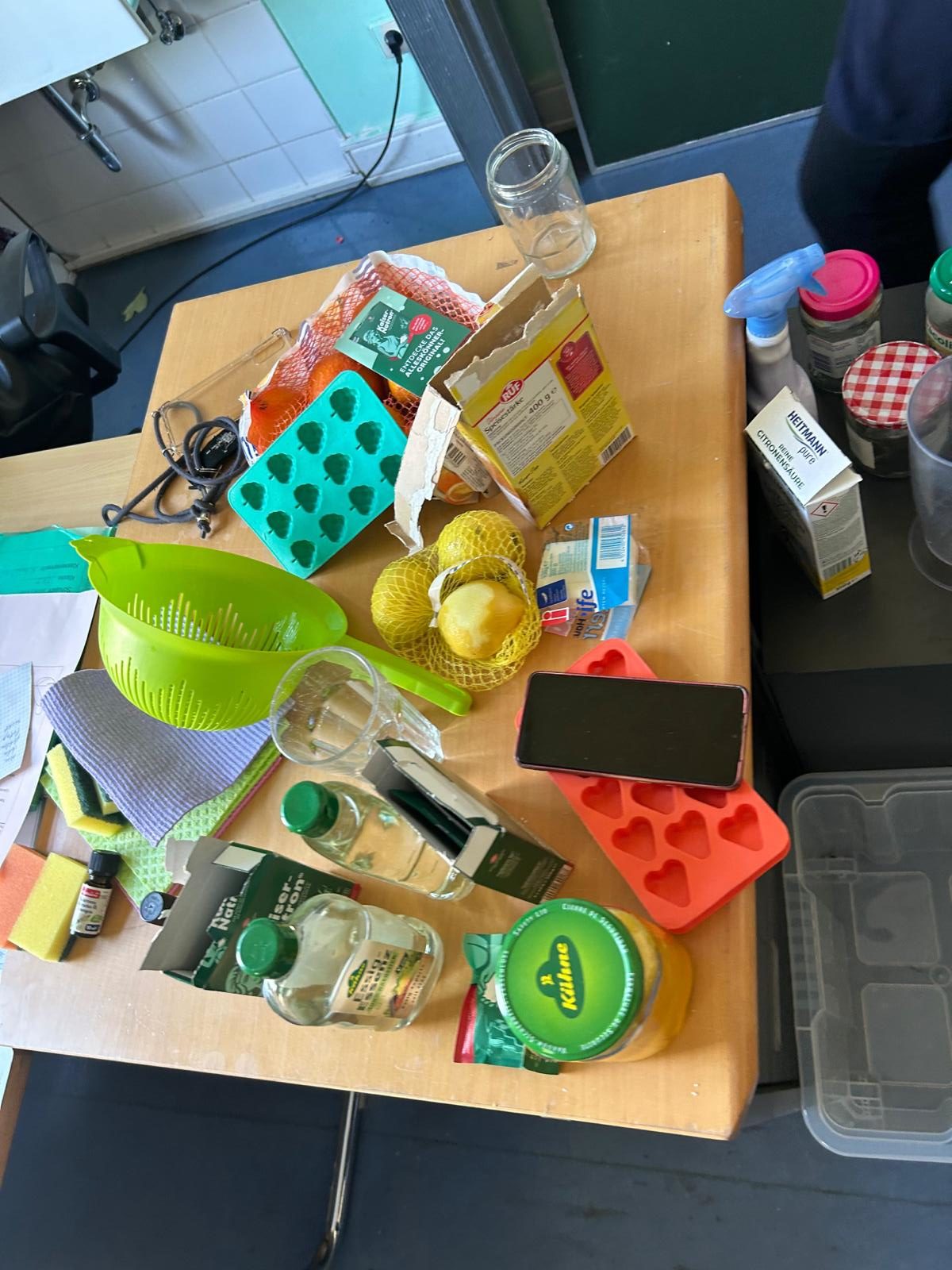
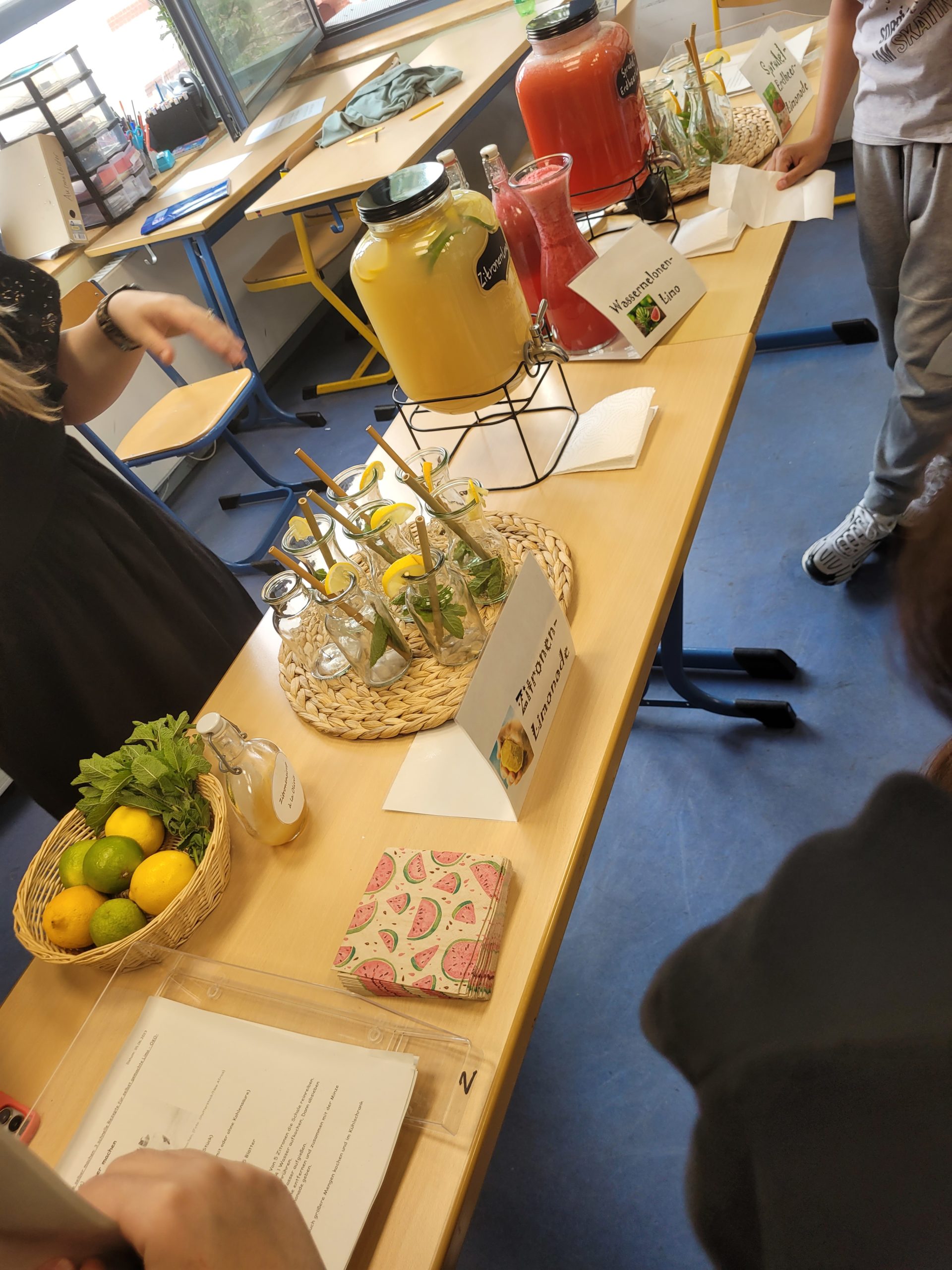
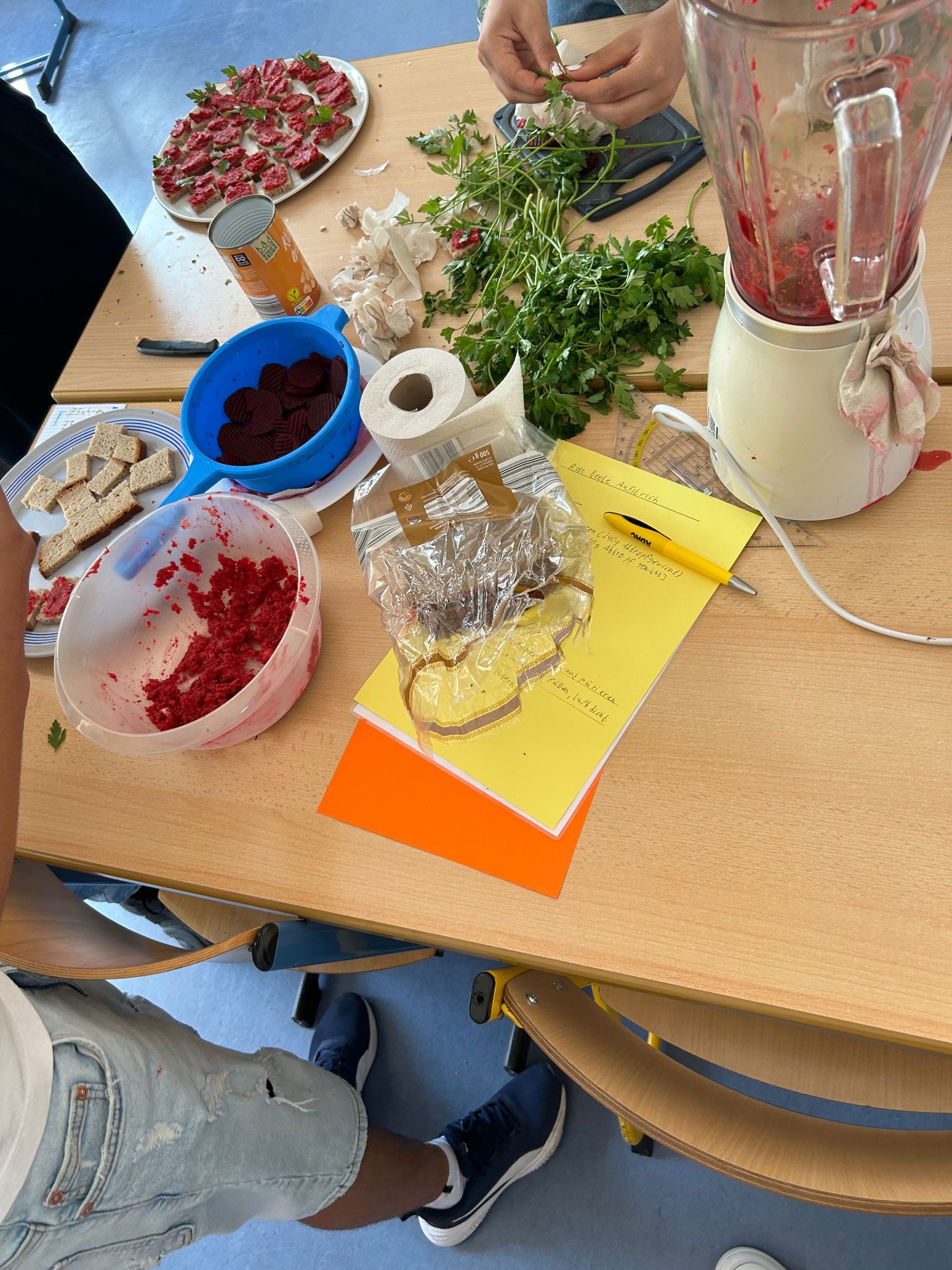
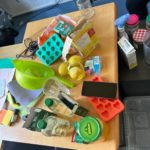
Project topics were: creating a seasonal vegetable and fruit calendar, learning about fair trade (role play), making fair chocolate spread, creating a game to learn about waste separation, making vegan bread spread, making sugar and plastic free drinks, performing a theatre play about saving food, making natural cosmetics, making home-made cleaning products, learning about biological food and offering a tasting.
Impact
The biggest impact the day had was that the students got involved and started talking about the climate crisis. Another important part was that the students were proud of their products at the end of the project phase. Showing their results to others increased their sense of accomplishment.
The Sustainability Day also had an impact at the school level. Next year, a full week of sustainability is planned. It also strengthened the bond with the elementary school, where more climate actions are already taking place.