


Teacher: David Méchin
Meet the teacher
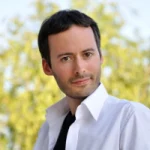
David Méchin
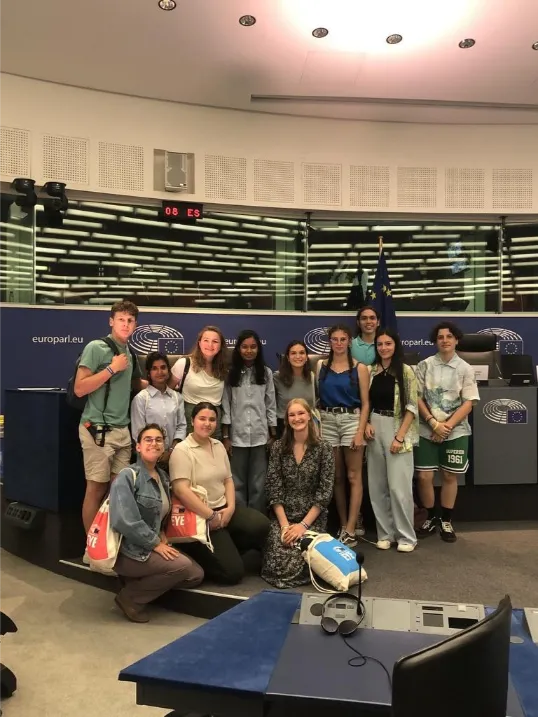
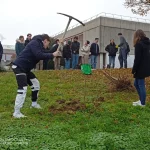
David is a Teacher in France. He is currently taking part in the Friendship connectivity programme, a virtual exchange between French and Bangladeshi pupils. He believes that connecting people from different countries raise their awareness about climate change and makes them grow as citizens of the world. He believes that through the programme his pupils have discovered another way of life and different answers to climate change. The students also work on local topics, trying to sum up the challenges they face in France so they can communicate them with the Bangladeshi students. It gives the French students a more acute and critical outlook on the way they live. Finally, the small challenges French and Bangladeshi pupils exchange at the end of the year drive them all to action.
Overview
The project involves Bangladeshi students from the most isolated regions of Bangladesh, which are particularly hard hit by climate change, being connected with European students, using digital tools, to exchange on themes linked to adapting to climate change. Teachers build the project into their classroom curriculum. Through the use of virtual exchange sessions and the production of videos, the students discuss innovative solutions to climate change that can be put in place at the community level. They also question their own behaviour and how they can effectively impact political decision-makers.
Theory of Change
It was noted that climate change discussions in school often involved discussions of catastrophic events and sometimes caused eco-anxiety among students. This project brings together young people, with linguistic and cultural barriers, to confront their visions of climate change and their behaviours. Drawing on their experience of adaptation and community action, Bangladeshi students instigate conversation around the role of individuals in the search for innovative solutions to climate change. This project helps to bridge the knowledge gap around climate change adaptation topics and provides teachers with new pedagogical angles.
Approach and Actions
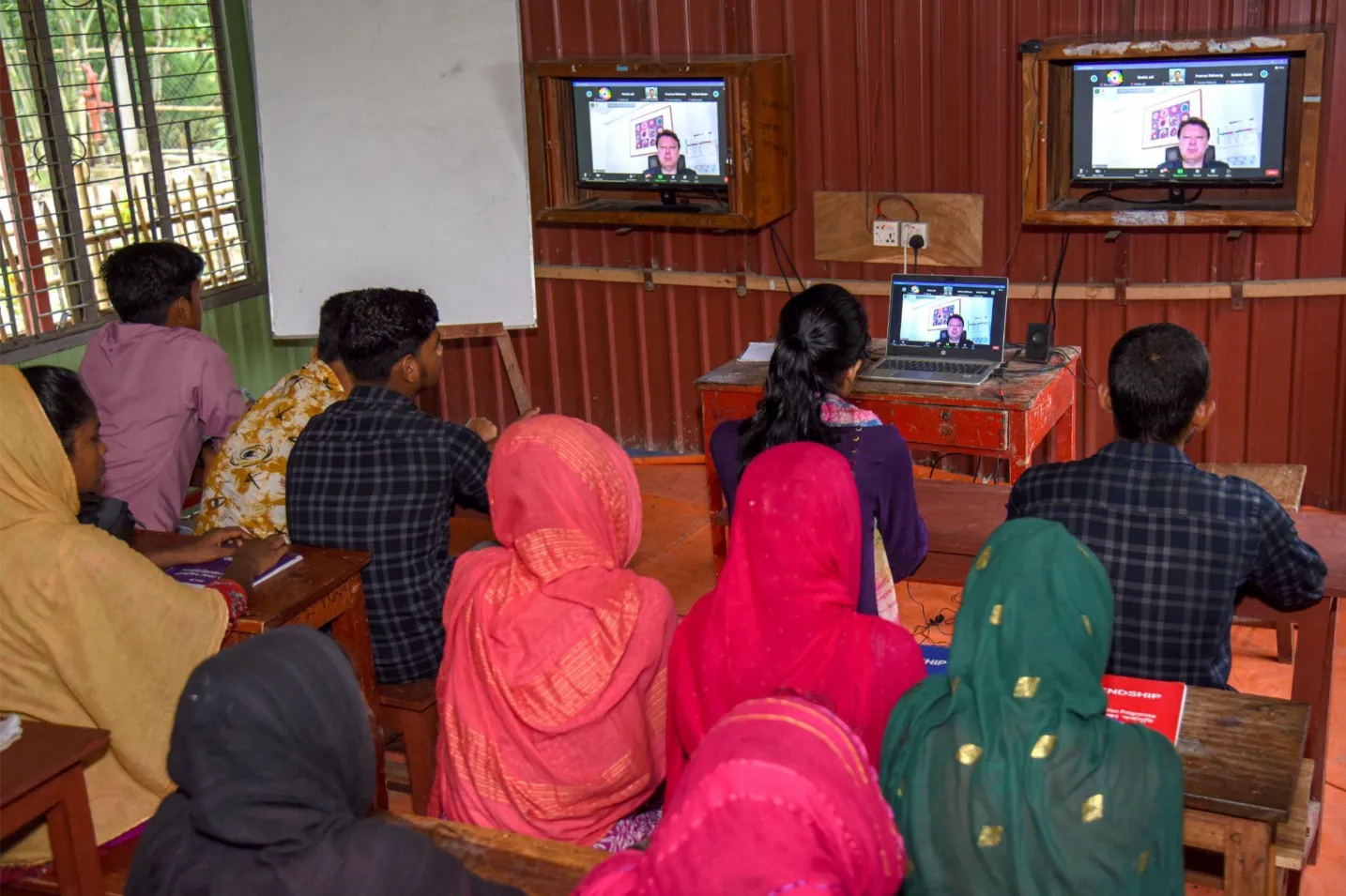
This program is built around several exchange sessions between European and Bangladeshi schools. Some exchange sessions take place on the United Schools digital platform, where they can exchange multimedia content in total security. Other sessions are interactive meetings on the Zoom platform. In Bangladesh, computer equipment and an Internet connection have been set up in the participating secondary schools, which previously had no access to these tools. Training courses were provided for students and educational supervisors, to train them in the use of the tools.
Impact
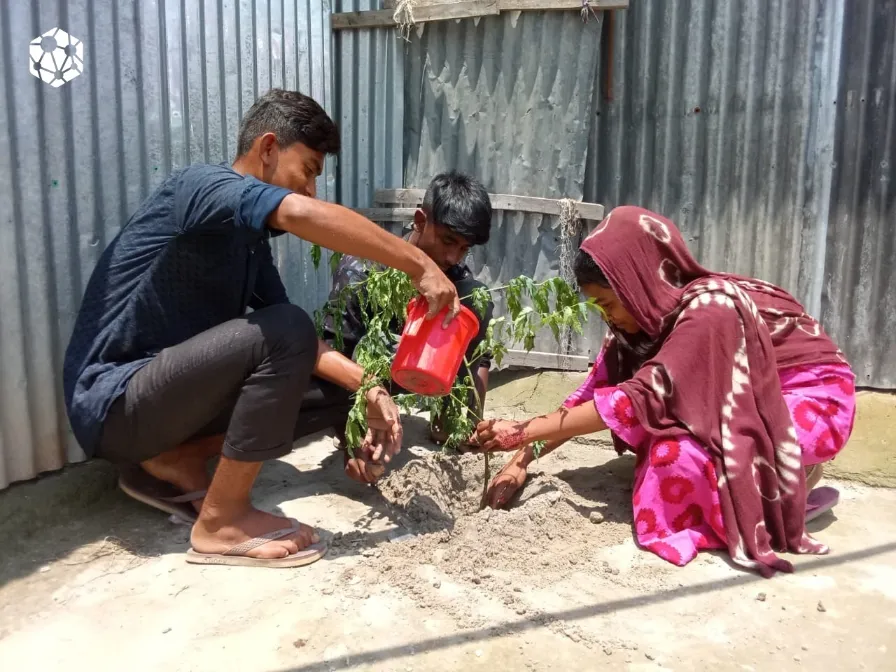
Teachers play a key role in the activities, as they organise the sessions with the students and prepare them in advance, in their classrooms. For example, teachers sometimes organize workshops based on project topics. To help teachers, explanatory brochures are produced before each session and ideas for preparation are given. During the interactive exchanges, members of the Non-Governmental Organisations Friendship are on hand to help teachers if necessary in facilitating the sessions. To guide discussions between schools on climate change adaptation, Friendship also provides concrete examples of climate change adaptation solutions (solar villages, mangrove planting, raising community awareness, etc.).