



Teacher: Jens Becker
Meet the teacher
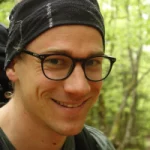
Jens Becker
Jens was a fellow teacher in the program Teach First Deutschland, teaching children aged 15 to 16. His focus was on nurturing their self-esteem and empowering them to embrace their full potential, either in discovering the ecosystem of the Elbe river on the swimming classroom houseboat or in various other projects such as a two day bike tour around Hamburg or a pen pal project with Teach For India. Jens firmly believes that education and strength supported teaching are the basics needed for the transformation of society and for solving the climate crisis.
Usefull links related to the Solution
CO2 Backpack video
Overview
Jens, a teacher in Hamburg, was concerned that learners found it difficult to understand and compare carbon emissions. So he led his students in the CO2 Backpack project which aims to provide learners with a model to compare carbon emissions from different lifestyles. This activity paves the way for climate justice discussions as typical carbon emissions from different regions of the globe can be compared.
Theory of Change
Learners find it difficult to understand that different lifestyles produce different carbon emissions. The project aims to make these differences tangible using weighted objects to represent the different carbon emissions caused by certain lifestyle choices or actions. When typical lifestyles in the global north and the global south are compared, this can lead to discussions about their comparative contributions to climate change and to discussions about climate justice. Developing this understanding could lead to behavioural changes.
Approach and Actions
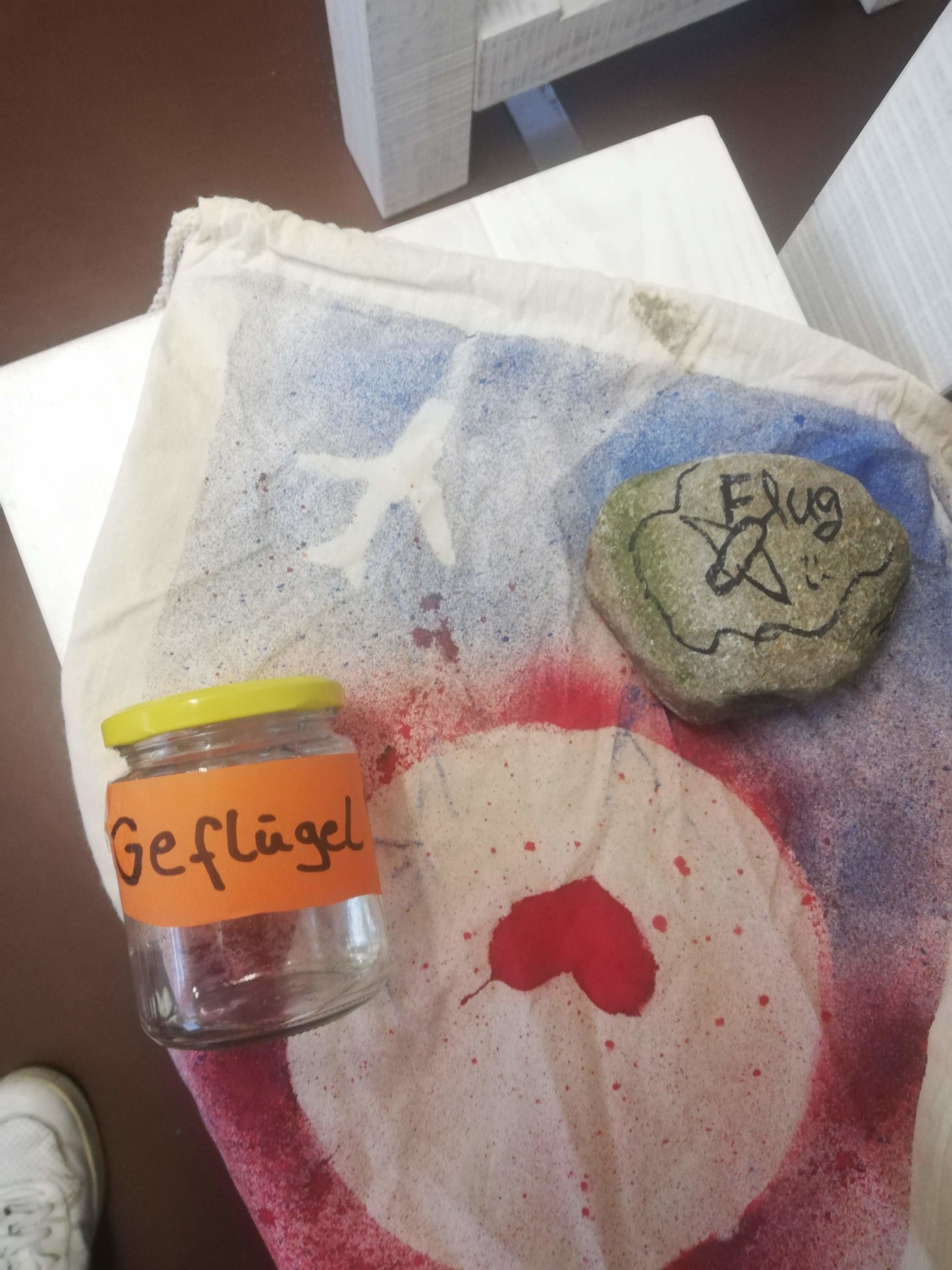
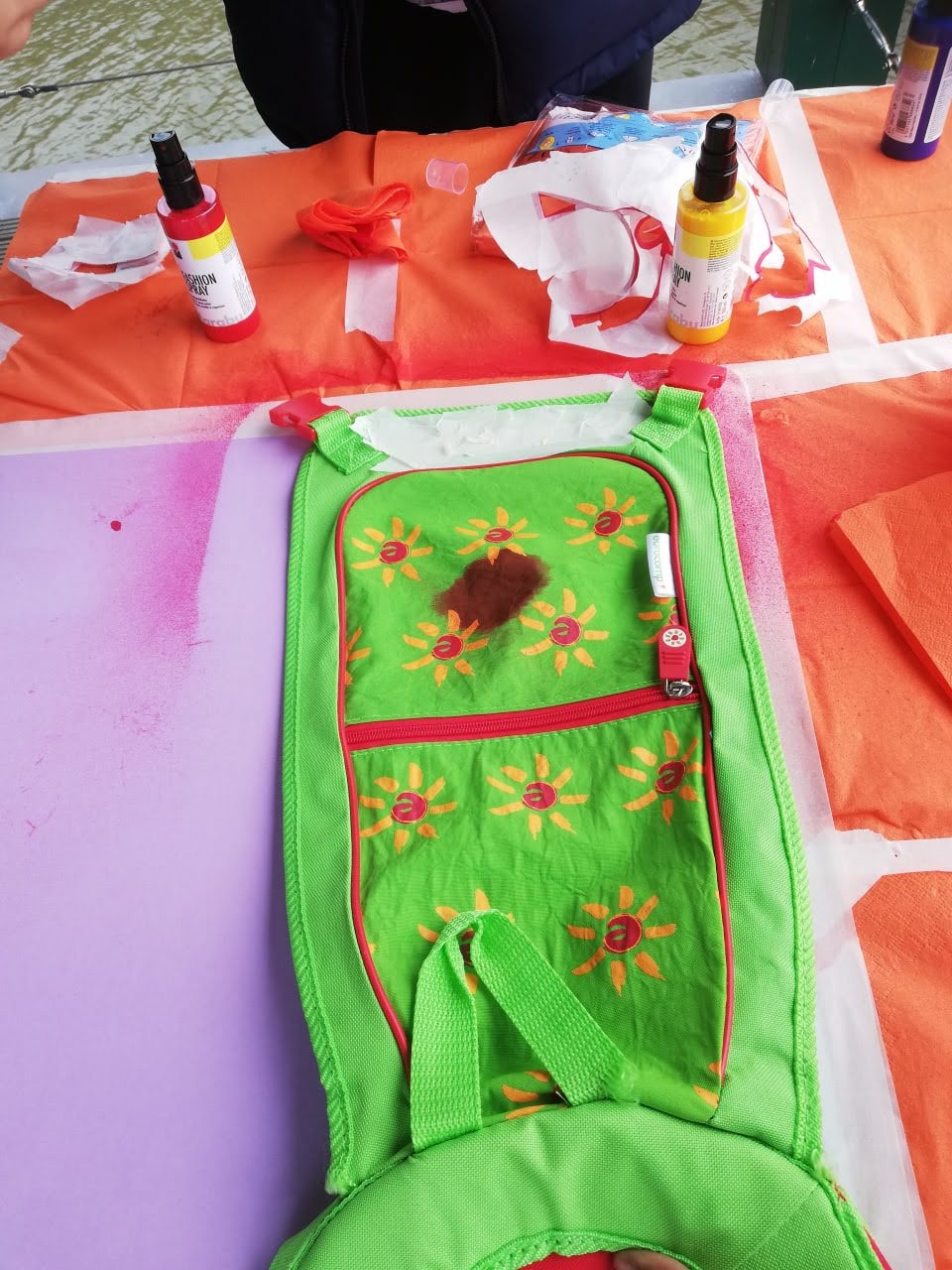
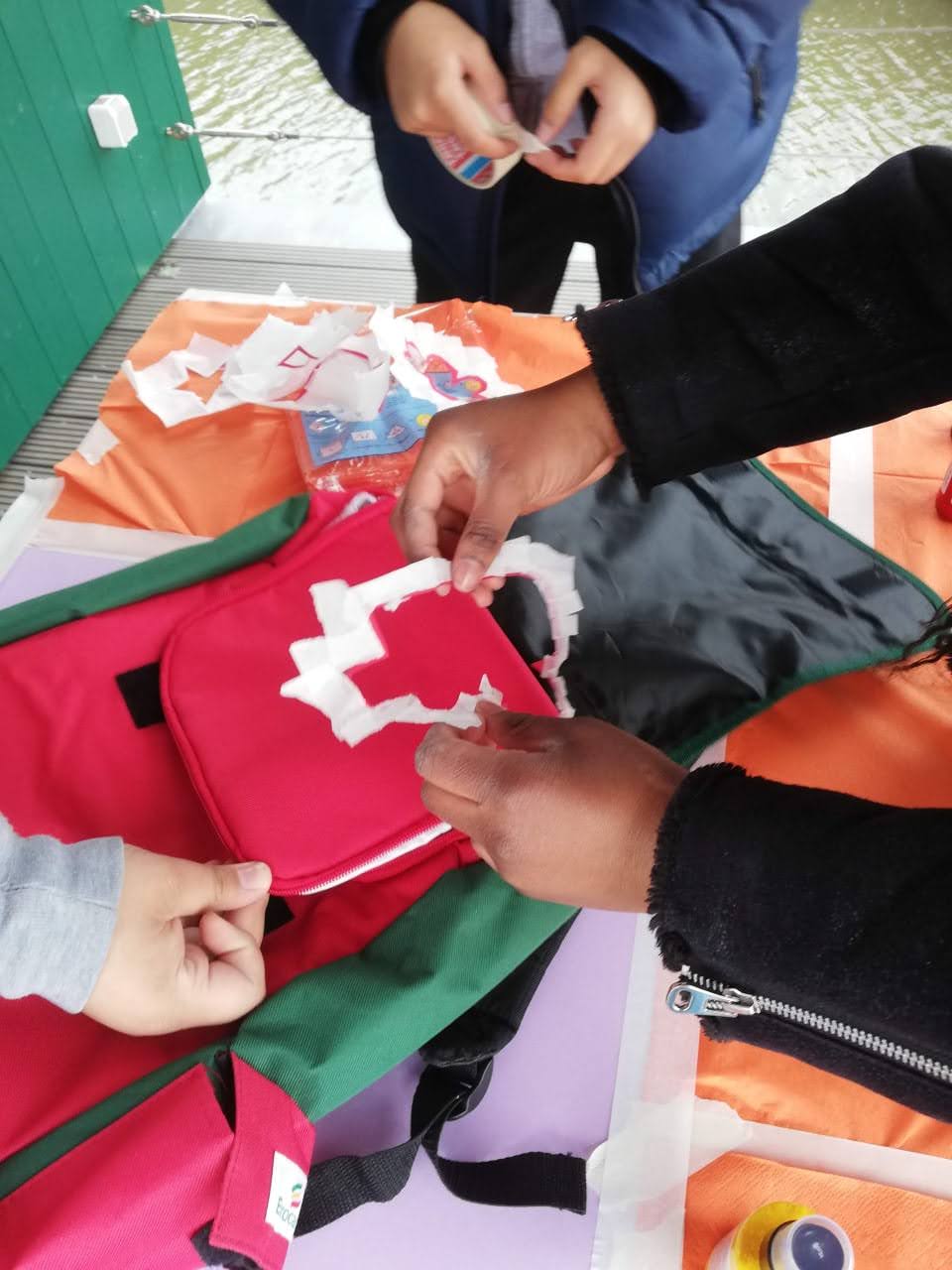
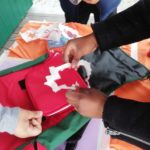
The students gathered lots of different weighted objects using waste materials or easily available materials such as stones and jars full of different amounts of water to represent different activities and their respective carbon emissions. Jens also produced a card which detailed the lifestyle of an example ‘persona’, the students then designed their own personas with their own imagined lifestyles. The learners then filled backpacks (which they designed by themselves) with different weighted objects that corresponded to the correct activities. The students wore the backpacks to see how the weights differed.
Impact
This demonstration led to meaningful conversations focused on climate justice and the amount of emissions produced in the global north and south. The project was extended so the learners could fill their own backpacks to see the unmistakable difference in emissions that different actions have. Allowing students to understand how their actions can affect carbon emissions will hopefully motivate them towards positive behavioural changes.